Source note and review scope
This ranking is written for mid-handicap players who miss across the face, play damp fairways, and need a driver that keeps the next shot playable. NW Pro Tour keeps the buying question narrow on purpose: forgiveness first, then launch, then price timing. We use manufacturer product pages, media-centre assets, specification claims, and current retail context as evidence, then translate that material into player-fit guidance. We do not describe launch-monitor ownership or private course use unless that evidence exists in our files.
Commercial links may appear beside the page, but the recommendation logic starts with the player. Readers can check about the NW Pro Tour editors, our editorial policy, affiliate disclosure, draw bias vs max forgiveness drivers, driver deals worth watching, callaway driver lines explained, premium vs value wedges. Those pages explain how we separate editorial judgement from retailer availability, how correction requests are handled, and why the same theme is used across rankings, guides, brand pages, versus pages, deal pages, and legal pages.
External source links used for this page include Callaway Elyte, TaylorMade Qi35, Titleist GT2 media. We keep those links close to the analysis because golf equipment pages change quickly, especially around model launches, limited colourways, and seasonal discount periods.
Best choices at a glance
| Order | Product | Best fit | Value note |
|---|---|---|---|
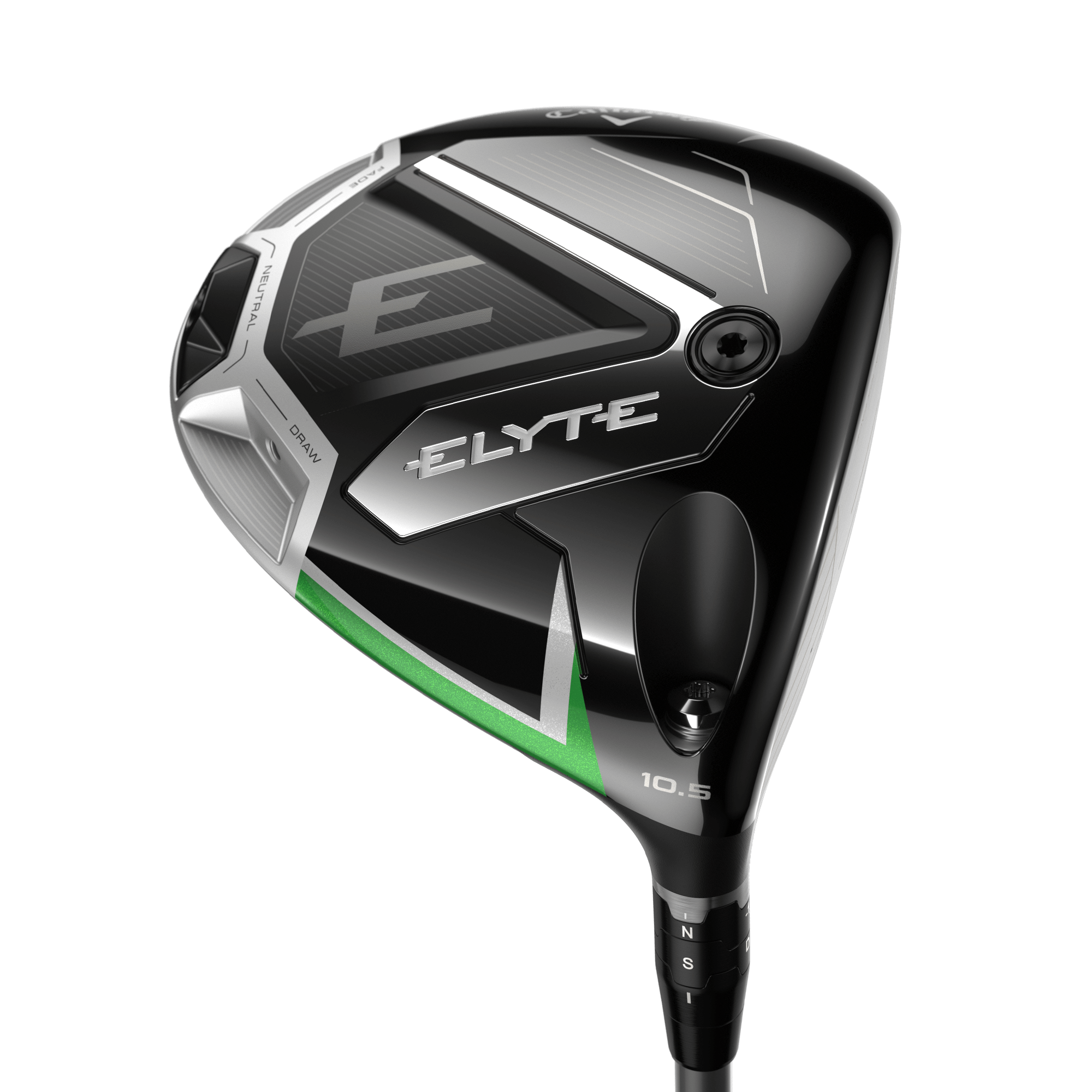
| 1 | Callaway Elyte | balanced forgiveness with clear draw-family options | worth watching when UK retailers attach custom-fit or trade-in support |
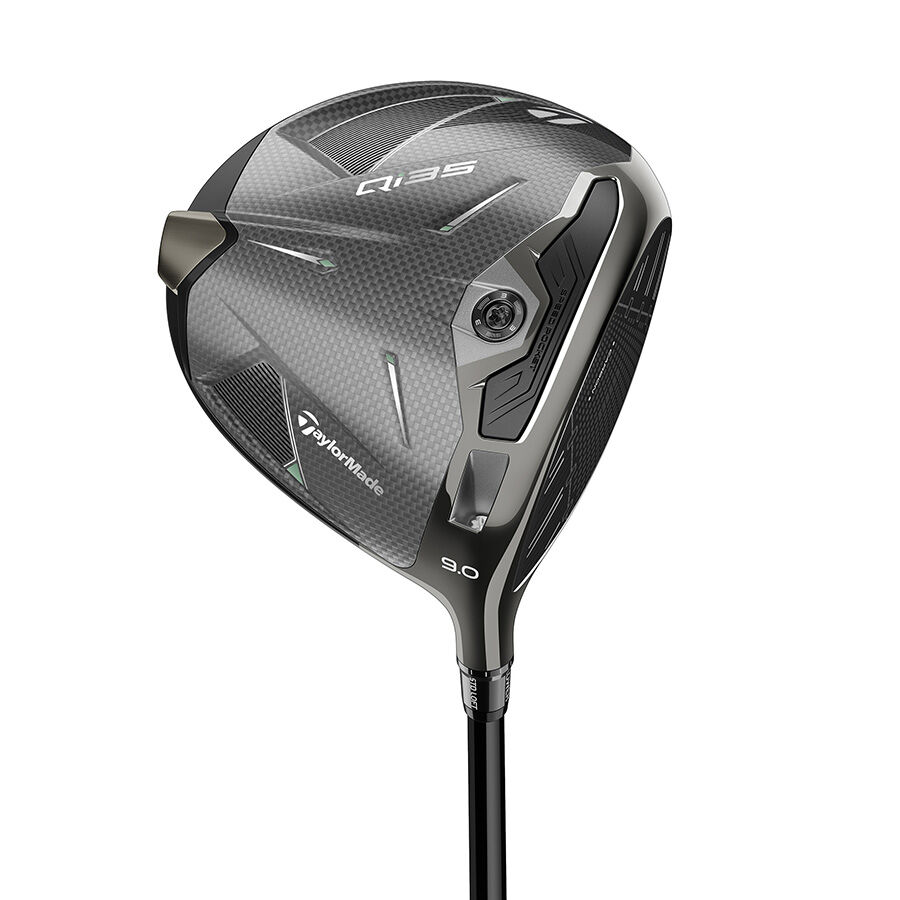
| 2 | TaylorMade Qi35 | strong all-round speed with a compact modern footprint | best when the price includes a shaft that matches delivery rather than a stock guess |
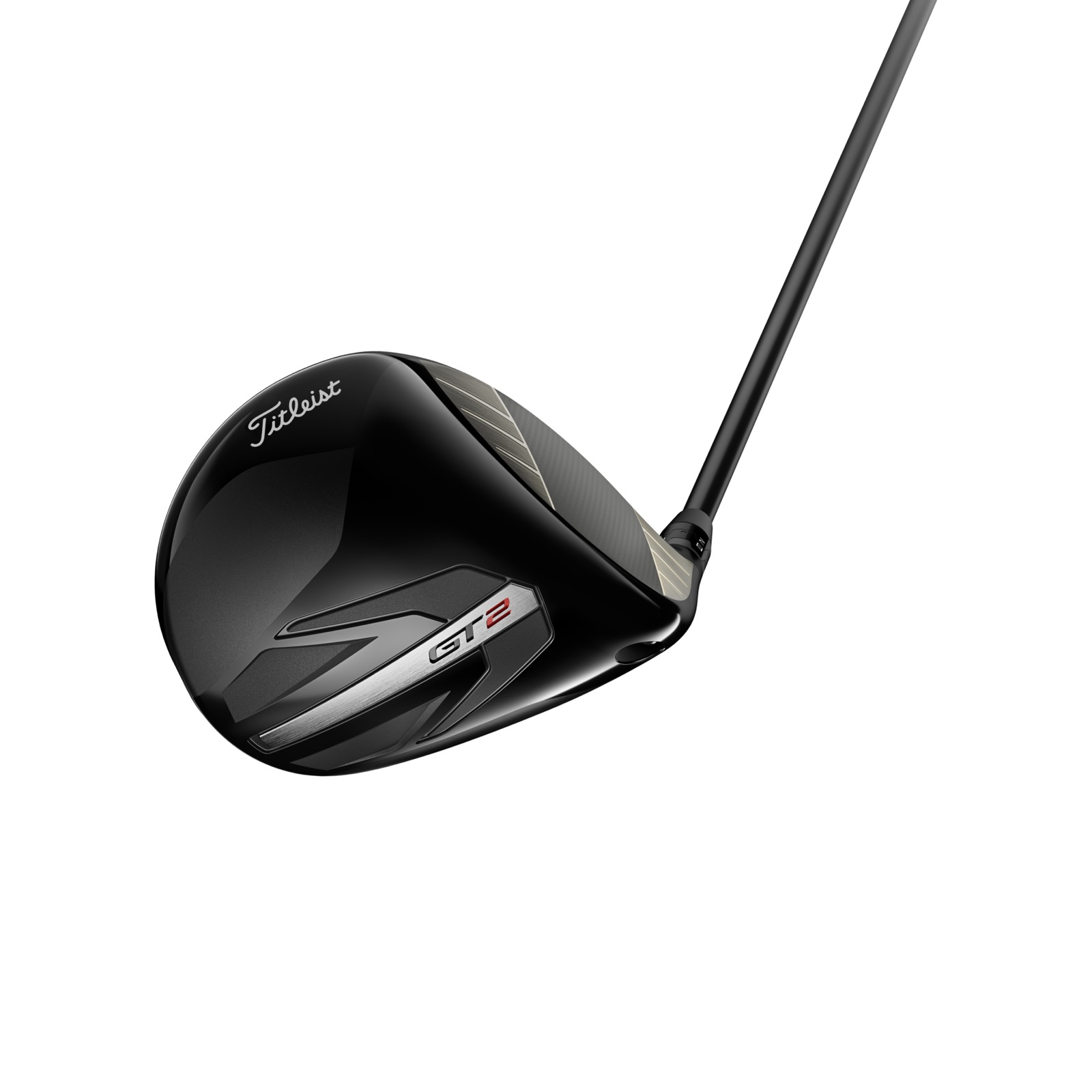
| 3 | Titleist GT2 | a cleaner confidence shape with stable forgiveness for neutral and fade players | holds value well, so discount timing can be less dramatic than launch-heavy models |
The table is not a claim that every reader should buy the first product. It is a shortlist sorted by the most common decision pattern we see for this topic. The right answer can move if the player has an unusual miss, a strong brand preference, a custom-fit requirement, or a price ceiling that changes the comparison.
Price anchors checked
As checked on 6 July 2026, the shortlist sits in the normal premium-driver band: Callaway Elyte X appeared at £569.00 RRP and £349.00 sale, TaylorMade Qi35 at £529.00 RRP and £399.00 now, and Titleist GT2 around £579 / $649 RRP. For mid-handicap players, that price spread should push the decision toward fit evidence. A discount is useful when it buys the same launch and forgiveness for less; it is dangerous when it buys the wrong head because it was the last one left.
The fitting-room test is whether the driver improves the worst normal strike, not the best one. Mid-handicap players often remember the single longest ball and forget the two heel strikes that followed it. A shortlist should therefore compare dispersion, launch, and confidence after a poor swing before it compares peak carry.
A second filter is course shape. A player with tight opening holes, damp fairways, and out-of-bounds right should value a calmer start line more than one extra mile per hour of ball speed. A player with wide landing areas can accept more launch experimentation. The best driver for this page is the one that lowers the cost of ordinary misses on the courses the reader actually plays.
Evaluation lens
The first filter is fit. For NW Pro Tour, fit means the equipment helps the shot the player is already trying to hit, rather than creating a new compensation. In this topic, that means we read shape, weight, adjustability, ball flight, or traction details before we read the sale badge. A product that looks like the best deal can still be the wrong buy if it asks the golfer to change a delivery pattern they are not ready to change.
The second filter is repeatability. Golf equipment gets judged across many small decisions: tee height, wind, winter lies, pace of play, wet grass, green speed, bunker sand, and the pressure of a card in the pocket. A buying guide has to respect those ordinary conditions. We therefore value products that make common decisions calmer, even when they do not win every specification headline.
The third filter is ownership cost. Some equipment is worth a premium because it solves a precise problem. Some equipment becomes a better buy when a previous model, colourway, or bundle reaches a sensible price. The aim is not to chase the cheapest checkout; it is to avoid paying extra for features that will not change the next round.
Product notes
Callaway Elyte
Callaway is the first option because the Elyte family lets a mid-handicap player start with forgiveness and then decide whether draw help is actually needed. That is useful for golfers whose poor drive is usually a right miss but not always the same right miss.
The tradeoff is version choice. A neutral Elyte, Elyte X, and Triple Diamond head can produce very different buying outcomes. The Callaway value case is strongest when the player can test or return the build, because a cheap driver with the wrong bias can quickly become an expensive compromise.
TaylorMade Qi35
TaylorMade earns its place because Qi35 gives a strong all-round speed story without forcing a very large, corrective look. It suits golfers who want a modern footprint and enough stability to protect ordinary misses.
The risk is that shaft and loft choice still decide whether the head launches properly. Lower spin can look powerful on a product page and unhelpful on damp fairways if the player loses carry. The value improves when the discounted build includes the shaft profile the player would have chosen anyway.
Titleist GT2
Titleist is the counterweight because GT2 offers a cleaner confidence shape with stable forgiveness for neutral and fade players. It is a strong fit when a golfer wants help across the face but dislikes a driver that looks closed or heavily corrected.
The tradeoff is value timing. GT2 may not discount as dramatically as models with larger launch promotions, so buyers should be clear about why they want the Titleist shape. If the answer is address confidence and dispersion, the smaller saving can still be justified.
Reader scenarios
Choose Callaway when the right miss needs attention and you want a driver family that lets you move between neutral and draw-biased help. It is the easiest shortlist entry for players who still need to diagnose the miss.
Choose TaylorMade when you like a compact modern look and want broad speed protection without an obvious draw setup. It rewards a buyer who pays attention to shaft and loft instead of only head technology.
Choose Titleist when address confidence is the main buying signal. If a clean shape helps you release the club naturally, that confidence can matter as much as a larger advertised discount.
Value and timing
The best buying window is the moment when the right specification and the right price overlap. That sounds obvious, but many golfers reverse the order and start with the discount. A driver deal with the wrong shaft, a rangefinder bundle with features you will not open, a shoe in a compromise size, or a wedge grind you do not understand can all look efficient and still waste money.
For UK shoppers, timing often matters around model transitions, seasonal waterproof stock, and retailer fitting events. We prefer discounts that preserve choice. A smaller saving with the correct loft, size, model, or return policy is usually better than a deep discount on a leftover specification that solves nobody's problem.
What to avoid
Do not buy a low-spin head because a tour player uses it if your strike pattern already loses carry on heel contact.
Also avoid judging the whole category from one round, one photo, or one headline claim. Golf equipment interacts with swing, course, weather, and confidence. A page like this should narrow the decision, not replace a fitting conversation when the purchase is expensive or highly personal.
Final fit checklist
Before buying, write down the problem the product is meant to solve. Then check whether the specification, size, loft, shape, or feature set directly answers that problem. If the answer is vague, keep comparing. If the answer is precise, check price timing and retailer support.
Use the related NW Pro Tour pages to keep the decision joined up: draw bias vs max forgiveness drivers, driver deals worth watching, callaway driver lines explained, premium vs value wedges. Equipment choices often overlap. A driver decision can affect ball choice; wedge gapping can change ball value; a rangefinder can alter how often a golfer attacks pins; shoes can change balance on wet lies.
Verdict
The strongest buy is the product that makes the next decision simpler. For this page, that means start with forgiveness, launch window, and left-to-right dispersion before chasing the longest headline carry number. The recommended shortlist should help you compare fit, evidence, and value without drifting into a generic sale feed. If the product does not match your miss, conditions, or buying budget, wait for a better fit rather than a louder offer.
A final buying discipline is to keep notes after the first few rounds. Record whether the product changed the decision it was meant to improve, whether any comfort or confidence issue appeared, and whether the price still feels justified once the launch excitement has faded. That small record helps the next purchase become more precise instead of repeating the same brand-led habit.